Growing your own herbs indoors is a wonderful way to bring fresh flavors to your cooking while adding a touch of greenery to your living space. Even if you don’t have a large yard or outdoor garden, a small herb garden on a windowsill or countertop can be both practical and enjoyable. This guide will walk you through everything you need to know to start your own indoor herb garden successfully.
Why Grow Herbs Indoors?
Indoor herb gardening offers several benefits:
– Freshness: Pick herbs right before use for the best flavor.
– Convenience: Herbs are always within arm’s reach in your kitchen.
– Decoration: Herb pots add natural beauty and a pleasant aroma to your home.
– Learning experience: Gardening indoors is a fun, hands-on hobby.
– Space-saving: Perfect for apartments or homes without outdoor space.
Choosing the Right Herbs for Indoor Gardening
Not all herbs thrive indoors, so start with varieties known for doing well inside:
– Basil: Loves bright light and warmth.
– Parsley: Grows well with a bit less light.
– Chives: Adaptable and easy to care for.
– Mint: Hardy, but keep separate as it can spread aggressively.
– Thyme: Prefers sunny spots and well-drained soil.
– Oregano: Needs plenty of sunlight and good airflow.
– Cilantro: Grows quickly, but prefers cooler spots.
Start with 3-5 herbs to keep your garden manageable and see what works best in your space.
Selecting Containers and Soil
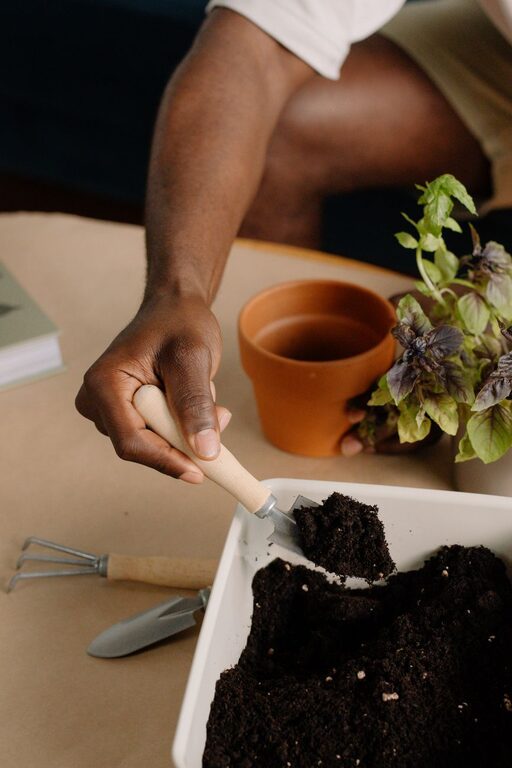
Containers
– Size: Choose pots that are at least 4-6 inches deep with drainage holes.
– Material: Terracotta, ceramic, or plastic pots all work fine.
– Design: Pick containers that fit your style and space, but ensure they have proper drainage.
Soil
– Use a high-quality potting mix designed for indoor plants. Avoid garden soil, which can be too heavy and may contain pests.
– Look for soil that drains well but retains some moisture.
Where to Place Your Herb Garden
Lighting is crucial. Most herbs need:
– 6-8 hours of bright, indirect sunlight per day.
– A south-facing window is usually the best spot.
– If natural light is limited, consider using grow lights to supplement.
Avoid placing your herbs in drafty areas or near heating vents, which can dry out the plants.
Planting Your Herbs: Seeds vs. Starter Plants
– Seeds: Starting herbs from seeds is less expensive and offers more variety. However, it requires patience and consistent care.
– Starter plants: Buying young herb plants from a nursery can give you a quicker start and higher success rates.
If you start with seeds, follow the package instructions and keep the soil moist until seedlings emerge.
Caring for Your Indoor Herb Garden
Watering
– Herbs prefer evenly moist soil but do not like to sit in water.
– Water when the top inch of soil feels dry.
– Use pots with drainage to prevent root rot.
Feeding
– Fertilize your herbs every 4-6 weeks with a balanced liquid fertilizer diluted to half the recommended strength.
– Avoid over-fertilizing, which can reduce flavor intensity.
Pruning and Harvesting
– Regular trimming encourages healthy growth and prevents legginess.
– Harvest leaves by pinching or cutting just above a leaf node.
– Avoid removing more than one-third of the plant at once to keep it thriving.
Pest Management
– Keep an eye out for common pests like aphids or spider mites.
– Wipe leaves occasionally to remove dust and pests.
– Use natural remedies such as neem oil if needed.
Troubleshooting Common Problems
– Leggy growth: Often caused by insufficient light. Move plants closer to light or use grow lights.
– Yellowing leaves: May indicate overwatering or poor drainage.
– Wilting: Could be from underwatering or root problems.
– Weak flavor: Sometimes due to overwatering or too much fertilizer.
Adjust water, light, and feeding routines based on your observations.
Tips for Success
– Rotate pots weekly to ensure even light exposure.
– Group herbs with similar water and light needs together.
– Keep a small notebook to track care routines and any changes.
– Experiment with different herbs to find your favorites.
Enjoying Your Indoor Herb Garden
Beyond cooking, fresh herbs can be used in teas, homemade skincare products, and natural air fresheners. They also make thoughtful gifts when potted nicely.
Starting an indoor herb garden is a rewarding project that brings nature indoors and enriches your daily life. With a little care and attention, you’ll soon enjoy fresh, homegrown herbs all year round. Happy gardening!
About the Author